Physics Games
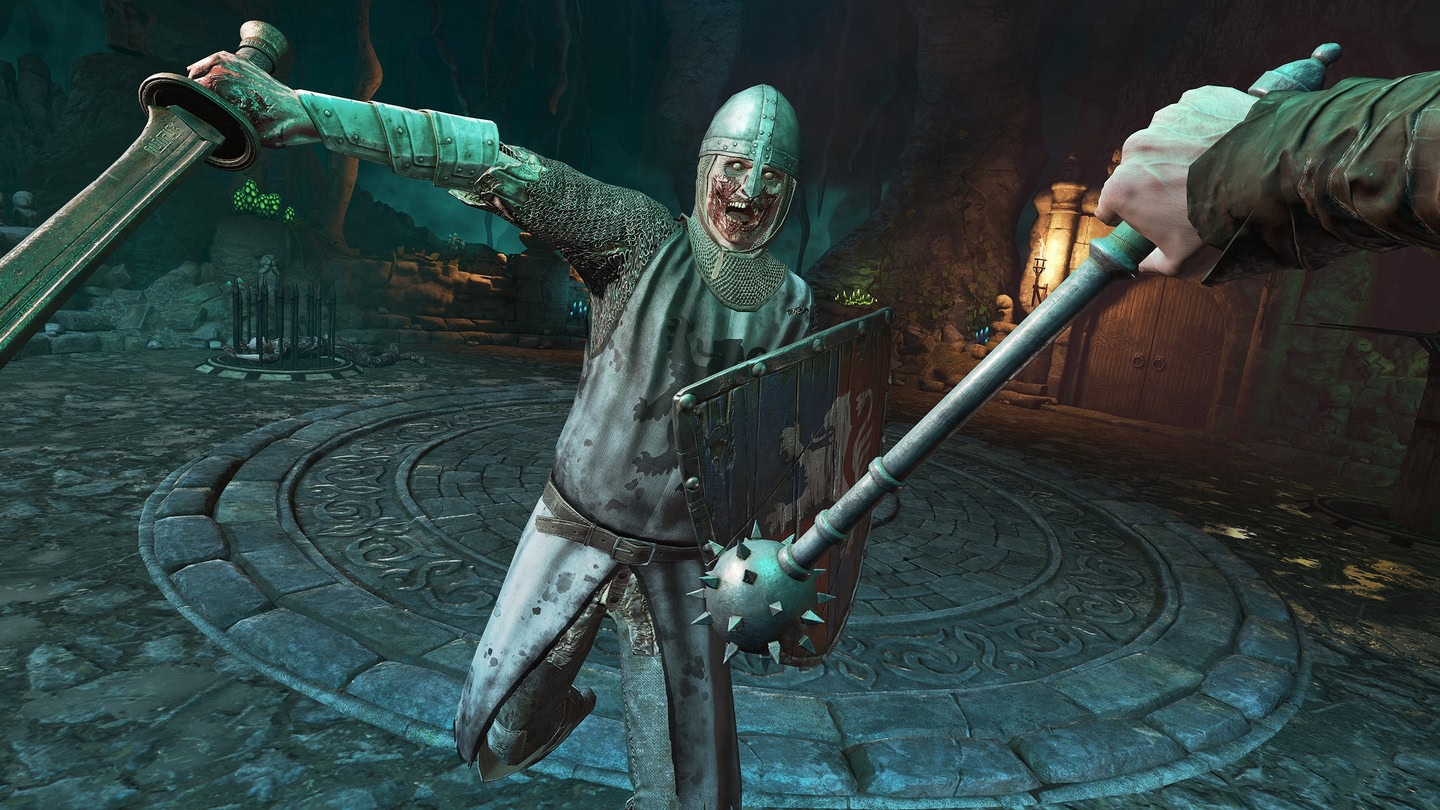
Hellsplit: Arena 4–5h
What happens if you mix the physics of Blade & Sorcery with the bloodiness of Mortal Kombat?
Galloping across a frozen lake on horseback, you shatter zombie knights’ heads into pieces mid-stride. Where else could you possibly do that?
Why it’s great
Weighty, physics-based melee, Impressive dark fantasy arenas that feel alive, Addictive wave-based gameplay
Why it flopped
Became relatively successful
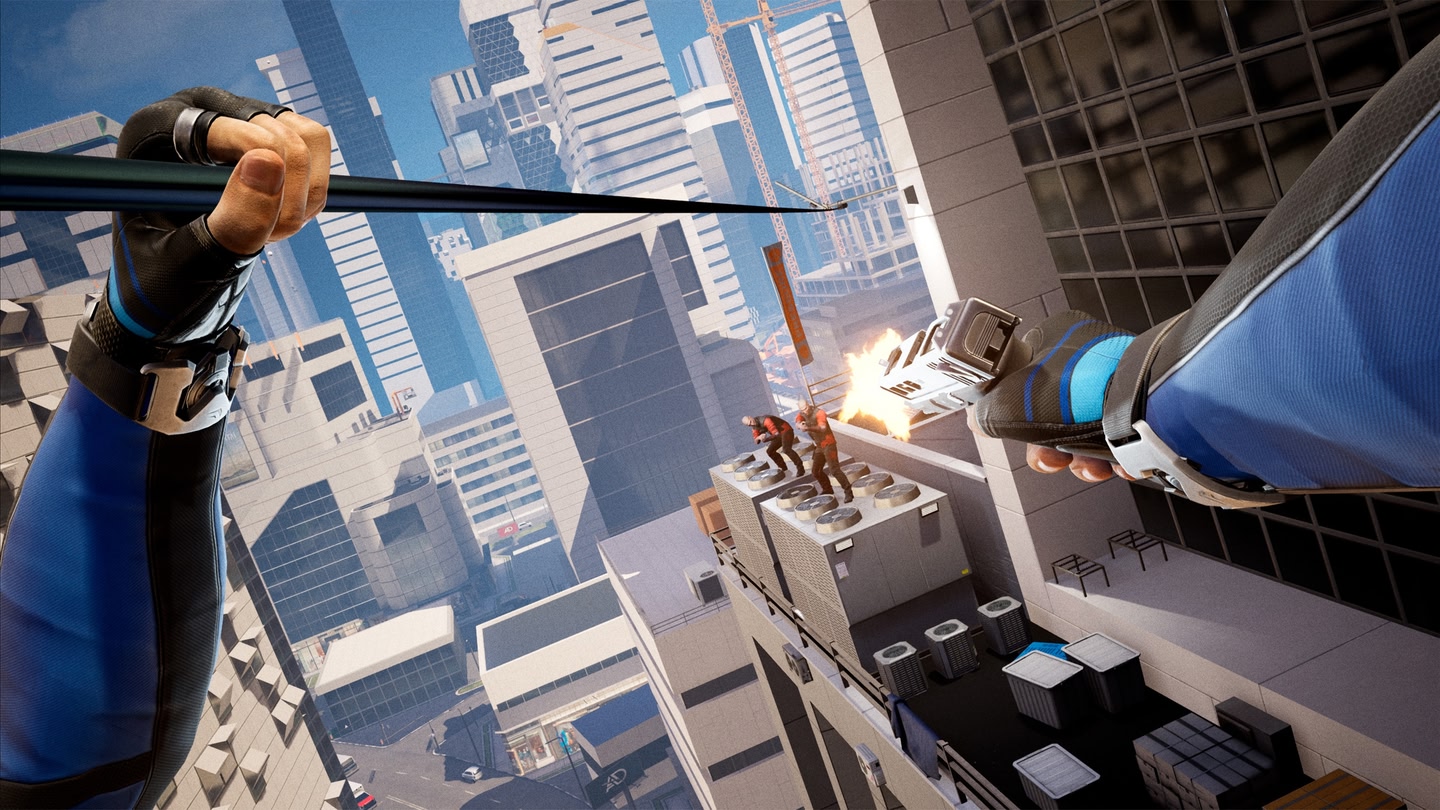
STRIDE: Fates 6–8h
Adrenaline-fueled nonstop action with parkour elements in the style of Mirror’s Edge.
Wall-running above the city skyline while shooting pursuers mid-jump.
Why it’s great
Fast and fluid movement, Simple but addictive mechanics, Feels like a John Woo movie
Why it flopped
Interest faded after Stride, Unclear concept, Not comfortable for everyone
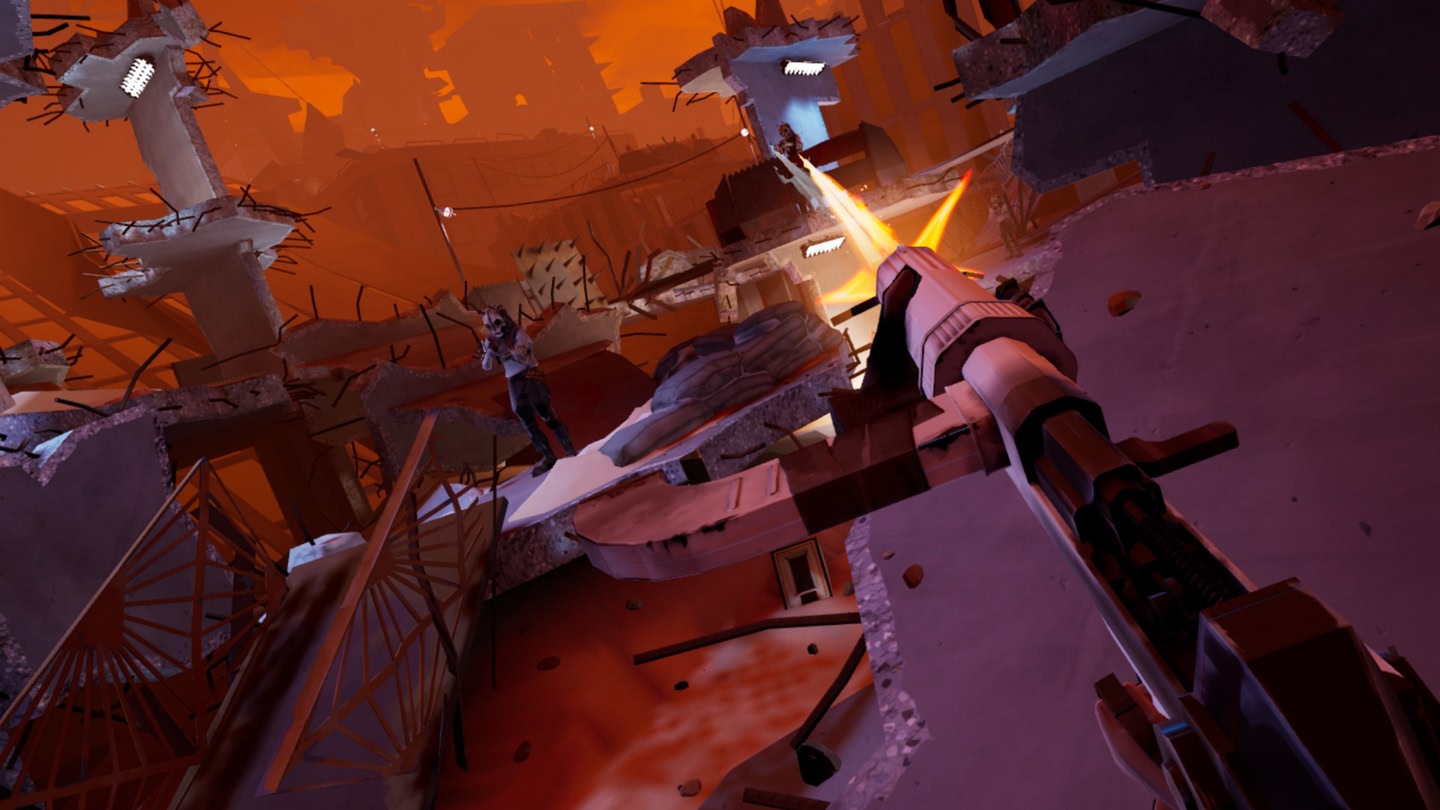
The Burst 15–20h
High-octane action set in a Mad Max–style world, from the creator of Stride.
Riding a buggy on top of a moving train while mowing down enemies with an assault rifle — a common occurrence in this game.
Why it’s great
Stylish presentation, Open world, Feels like one big adventure
Why it flopped
Very buggy at launch, Unclear niche, Zero marketing
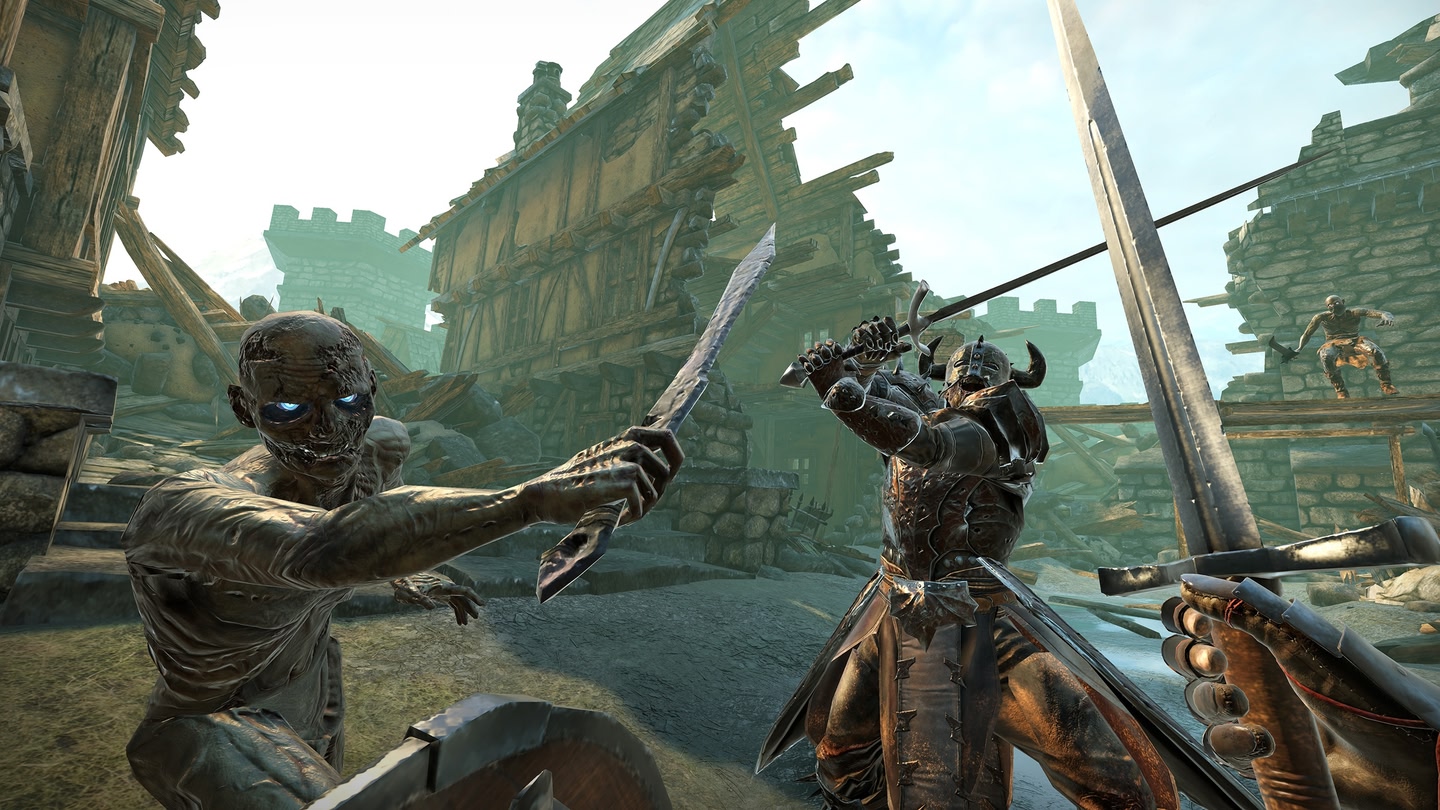
Undead Citadel 5–7h
Hack through a plague-ridden citadel, cleaving undead hordes with heavy, physics-driven weapons.
You enter a shadowy chamber lit by a crackling fireplace. Suddenly a zombie lunges — at the last second you leap aside and cleave off its arm.
Why it’s great
Physics-based combat system, Full-length multi-hour story, Dynamic lighting
Why it flopped
Environments feel fairly repetitive, Screenshots and trailers don’t convey the game’s depth
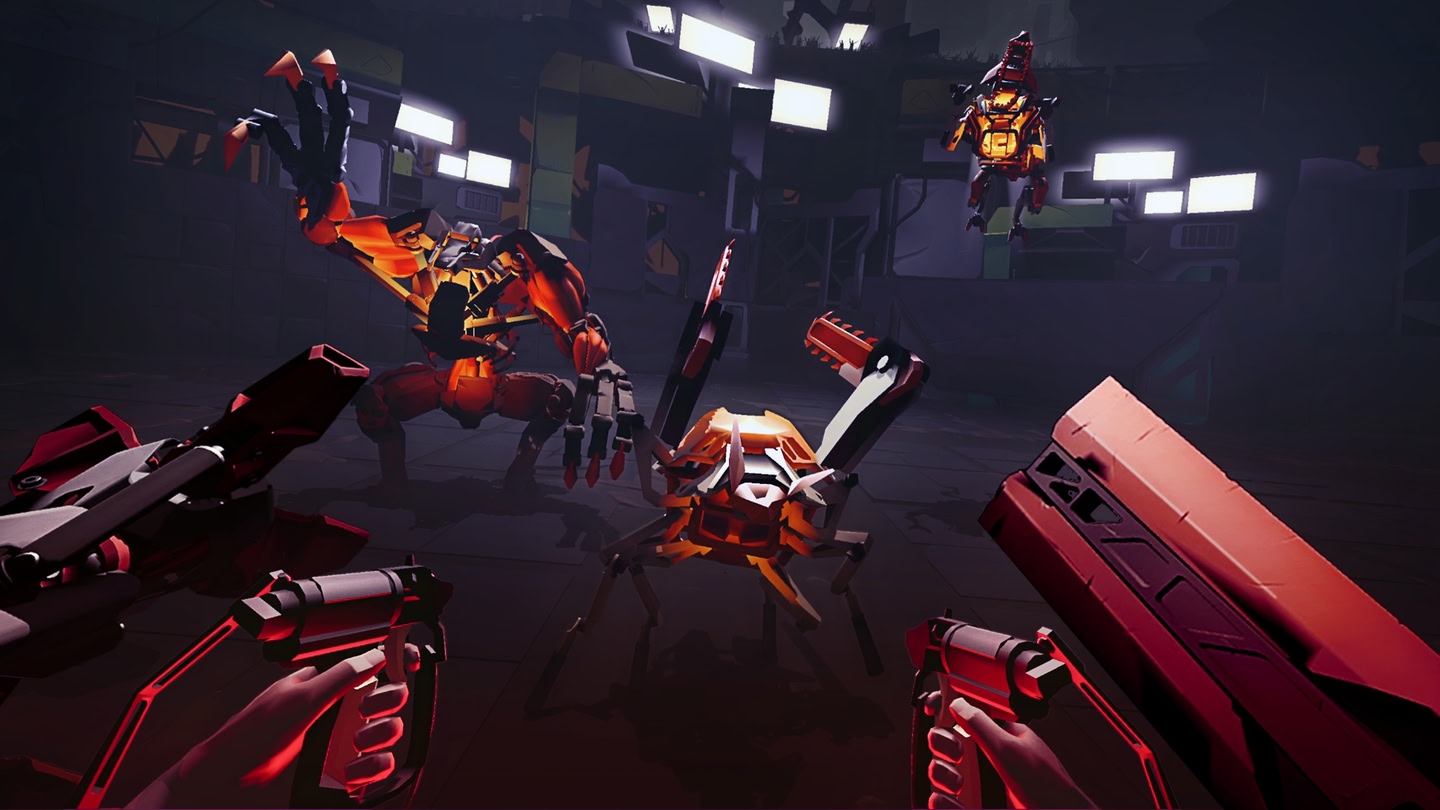
Underdogs 6–15h
Roguelike mech brawler — grapple across arenas and smash foes with physics power.
You grab the ground with one hand, pull forward like you're dragging a mech, then punch a robot’s face off—pure VR catharsis.
Why it’s great
Insane tactile feedback, Physics-driven combat, Roguelike with a story
Why it flopped
Became successful